How to Choose the Right Dog for Your Family
A dog can change the rhythm of a home fast. One good match can mean backyard games, easier routines, and a happy companion for years. The wrong match can mean stress, chewed furniture, constant cleanup, and a family that feels overwhelmed. If you're wondering how to choose the right dog for your family, the best place to start is not with the cutest face. It starts with your real day-to-day life.

How to Choose the Right Dog for Your Family Starts at Home
Most families picture the fun parts first - walks, cuddles, and kids growing up with a loyal dog nearby. Those things matter, but the daily realities matter more. Before you look at breeds or puppies, think about your schedule, your space, and your tolerance for noise, shedding, training, and mess.
A family with two working parents, school pickups, sports practice, and a packed weekend calendar may do better with a calmer dog than a high-drive breed that needs constant activity. On the other hand, a very active household that loves hiking, running, and being outside may find an energetic dog fits right in.
The goal is not to find the "best" dog. It's to find the dog that fits the life you already have, or the life you're truly ready to build.
Be Honest About Your Family's Energy Level
This is where a lot of people get tripped up. They choose based on appearance, childhood memories, or what they saw online. Then they bring home a dog whose needs don't match their home.
A high-energy dog can be wonderful, but only if someone in the family has time and consistency to meet those needs every single day. That usually means long walks, training sessions, playtime, and mental stimulation. If that doesn't happen, the dog may become destructive, anxious, or hard to manage.
Lower-energy dogs often work well for busy households, retirees, or families who want companionship without nonstop activity. That does not mean they need no exercise. Every dog needs movement and attention. It just means some dogs are easier to satisfy with a steady, moderate routine.
If your family likes quiet evenings, doesn't spend hours outdoors, or already feels stretched thin, choose with that in mind. There is no prize for taking on more dog than you can comfortably handle.
Size Matters More Than People Think
A large dog is not automatically a bad fit for a family, and a small dog is not automatically easier. Size affects space, food costs, exercise needs, strength, and cleanup. It also affects how a dog interacts with young children.
Big dogs can be gentle and great with families, but they can also knock over toddlers without meaning to. They need room to move, and their waste, grooming, and veterinary costs are usually higher. Small dogs may fit better in smaller homes, but some are fragile around rough play and can be more reactive if they feel unsafe.
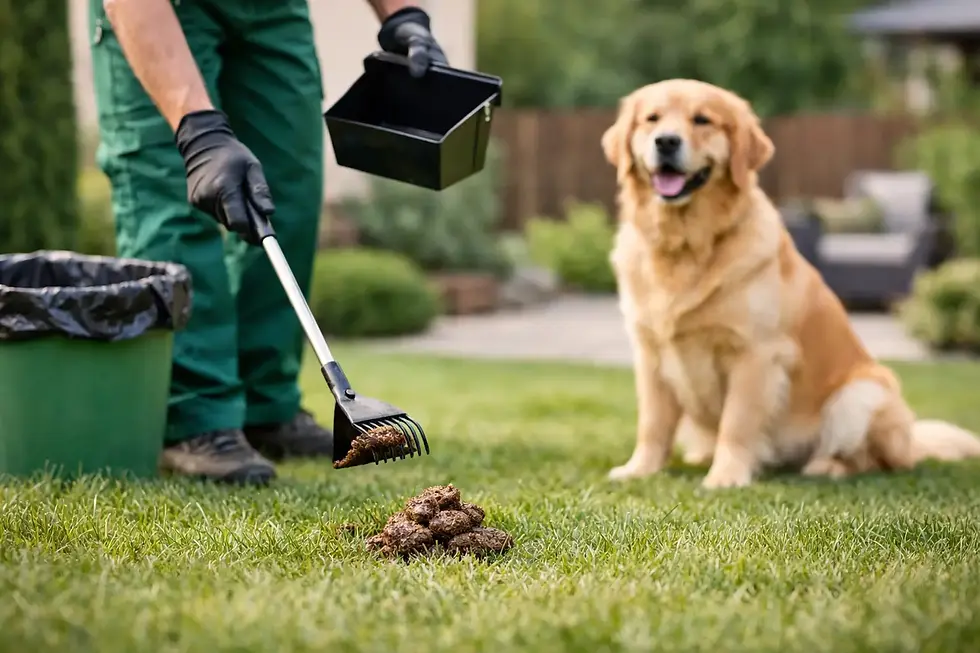
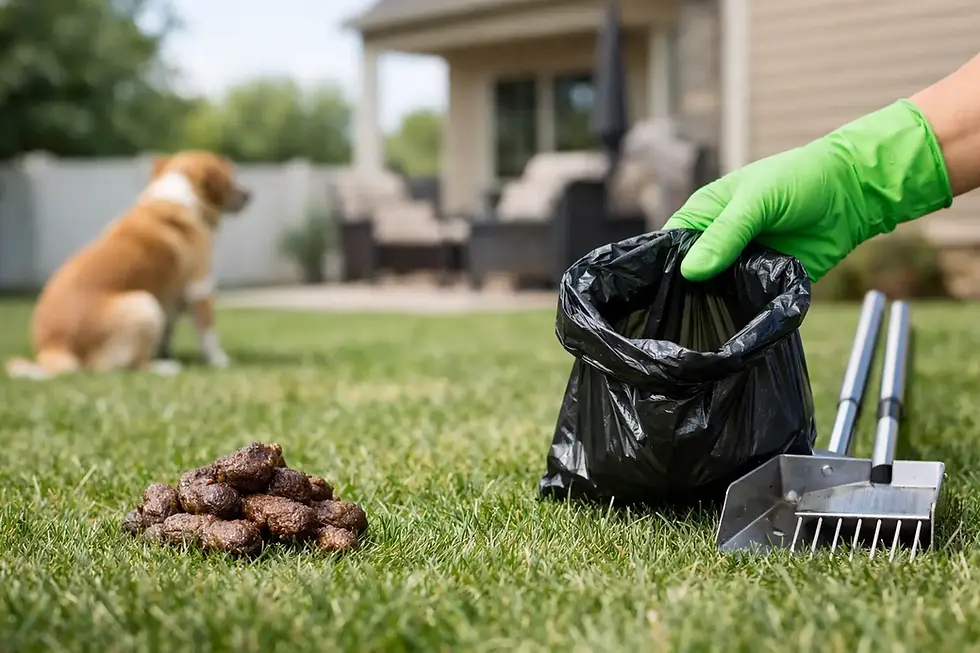
Think about your house and yard in practical terms. Can a large dog move comfortably through the space? Do you have a fenced yard, or will every bathroom break require a leash and close supervision? If you already know you want to keep your outdoor space clean and usable for kids, gatherings, or simple peace of mind, it helps to think ahead about the amount of daily maintenance any dog will add.
Age Is a Big Decision, Too
Many families go straight to puppies, which makes sense on an emotional level. Puppies are adorable, and raising one from the beginning can be rewarding. They are also a lot of work.
Puppies need house training, crate training, socialization, teething management, and frequent supervision. They have accidents. They chew. They wake up early. For busy families, that season can feel longer than expected.
Adult dogs are often overlooked, but they can be an excellent choice. With an adult dog, you may already know the dog's size, energy level, and personality. Some are already house trained and past the most demanding stages. That can make the transition easier, especially for homes with children or tight schedules.
Senior dogs also deserve a look. They are often calmer and more predictable, which can be a great fit for quieter households. The trade-off, of course, is that they may come with more medical needs.
Temperament Comes Before Breed Reputation
Breed traits can be helpful, but they are not the whole story. Every dog is an individual. Two dogs from the same breed can have very different personalities, confidence levels, and habits.
That is why temperament matters so much. You want a dog that can handle your home's noise, pace, and people. If you have young kids, look for a dog that is patient, social, and not easily startled. If you have frequent visitors, you may want a dog that is friendly rather than highly protective. If someone in the home is nervous around dogs, a calmer personality may matter more than breed name.
When meeting a dog, pay attention to how it responds to touch, sound, and movement. Does it recover quickly from new experiences? Does it seek healthy interaction without being frantic? Is it curious, fearful, clingy, or confident? Those details often tell you more than a breed description ever will.
If You Have Kids, Think Beyond "Good Family Dog"
That phrase gets used a lot, but real family life is more specific than that. A dog may be great with older children and less comfortable with toddlers. Another may be affectionate but too energetic for a home with babies. Some dogs tolerate noise well, while others get stressed by constant activity.
Teach children how to behave around any dog, no matter how friendly it seems. That means no climbing, grabbing, cornering, or disturbing a dog while eating or resting. Even the gentlest dog needs boundaries.
The best match usually happens when the dog's temperament and the children's ages line up well. A calm, sturdy dog may do well with younger kids. A playful, active dog might be a better fit for older children who can help with walks and training.
Grooming, Shedding, and Yard Cleanup Are Part of the Picture
Some dogs need regular brushing, professional grooming, and coat maintenance. Others shed heavily and leave hair on everything. Some track in mud every time it rains. Some are easy to groom but need more outdoor cleanup because of their size or routine.
This is one of those areas where families often underestimate the work. A dog does not just need love and food. It adds regular chores inside and outside the house.
If your goal is to keep your home and yard comfortable, clean, and ready to enjoy, choose a dog whose maintenance level fits your tolerance. There is nothing wrong with wanting a dog that is easier to manage. In fact, that kind of honesty usually leads to a better long-term fit.
Consider Training Needs Before You Commit
Some dogs are eager to please and pick up routines quickly. Others are more independent, stubborn, or sensitive. None of that makes a dog bad, but it does affect how much time and patience training will take.
First-time dog owners often do better with dogs that are known for being more trainable and adaptable. If your family has never owned a dog before, choosing a breed or individual dog with intense guarding instincts or very high drive may make life harder than it needs to be.
Good training is not optional. It shapes everything from leash manners to visitor behavior to safety around children. If you are not prepared to invest time in training, choose a dog with a steadier, more forgiving personality.
How to Choose the Right Dog for Your Family Without Rushing
Take your time. Meet more than one dog. Ask a lot of questions. If you're adopting, ask about the dog's history, energy level, behavior around children, and house training. If you're working with a breeder, look for one who is transparent, responsible, and focused on health and temperament - not just appearance.
Try to picture ordinary life six months from now. Who walks the dog in the morning? Who handles training? Who cleans up the yard? Who manages vet visits, feeding, and grooming? If the answers are vague, pause before bringing a dog home.
A good choice usually feels less like a big emotional leap and more like a solid yes. You can still be excited. You just want that excitement backed by a realistic plan.
For families who already know they want the joy of a dog without every chore landing on their weekend, services like Mt. Juliet Pet Waste Pros can help keep one part of that routine simple. The important thing is building a home setup that you can maintain.
The right dog should add life to your family, not constant strain. When you choose based on your real routine, your space, and the kind of care you can give consistently, you're much more likely to end up with a companion who truly fits. And that kind of fit is what turns a dog from a nice idea into a happy part of everyday family life.